Implementing Computer Vision For Enhanced Safety: Anticipating Your AI Safety Project Journey

Executive summary
In the dynamic realm of safety technologies, organizations are embracing innovative solutions to revolutionize the way EHS (Environment, Health, and Safety) teams promote a proactive safety culture. This whitepaper serves as an insightful guide for professionals in Safety, Operations, IT, and Supply Chain, exploring the nuances of implementing a cutting-edge computer vision solution. By shedding light on the steps involved in the implementation process and emphasizing key considerations, this document aims to empower organizations in their quest for enhanced safety measures. Explore the transformative potential of innovative solutions as they reshape the landscape of safety, fostering a proactive culture that prioritizes risk reduction and operational resilience.
Introduction
Adoption of Technologies For Safety
In the dynamic realm of safety technologies, organizations are embracing innovative solutions to revolutionize the way EHS (Environment, Health, and Safety) teams promote a proactive safety culture. This whitepaper serves as an insightful guide for professionals in Safety, Operations, IT, and Supply Chain, exploring the nuances of implementing a cutting-edge computer vision solution. By shedding light on the steps involved in the implementation process and emphasizing key considerations, this document aims to empower organizations in their quest for enhanced safety measures. Explore the transformative potential of innovative solutions as they reshape the landscape of safety, fostering a proactive culture that prioritizes risk reduction and operational resilience.
Things to Consider When Implementing A Computer Vision Solution
The landscape of implementing computer vision (CV) systems for enhanced safety in workplaces is evolving rapidly. As organizations embark on the journey to select the right solution provider, it becomes imperative to scrutinize not only the functionality of the CV system but also the robustness of its security and privacy measures.The landscape of implementing computer vision (CV) systems for enhanced safety in workplaces is evolving rapidly. As organizations embark on the journey to select the right solution provider, it becomes imperative to scrutinize not only the functionality of the CV system but also the robustness of its security and privacy measures.
Security Measures
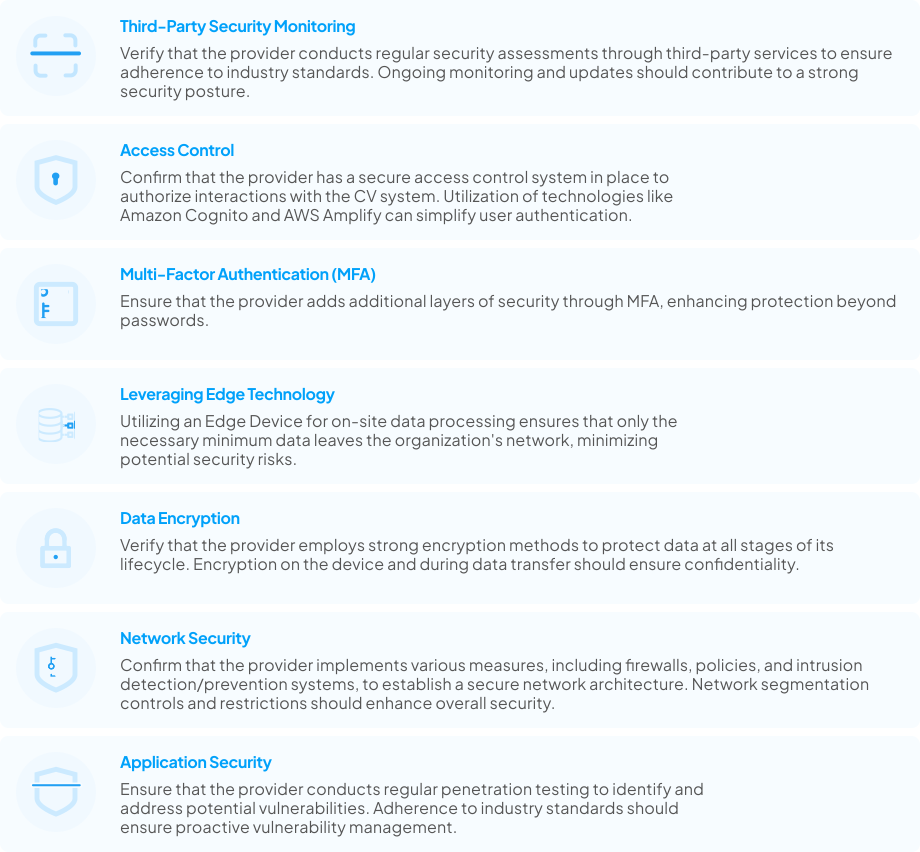
One of the foundational pillars for a successful CV implementation is a robust security framework. Organizations entrust sensitive data to CV systems, and as such, it is paramount that solution providers implement stringent security measures to safeguard against potential threats.
Privacy Approach
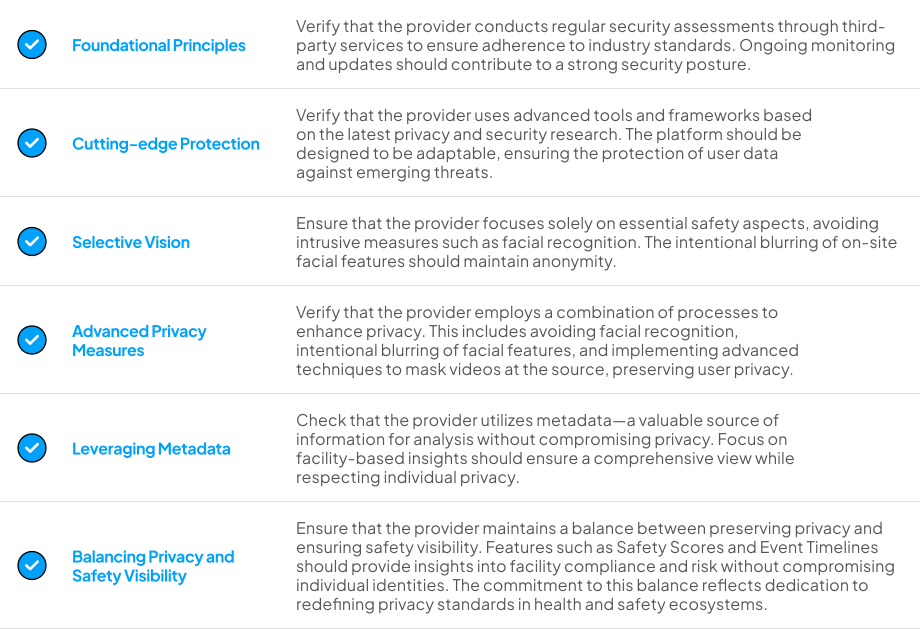
As organizations venture into the integration of computer vision for enhanced safety, the intersection of innovation and privacy becomes a pivotal focal point. A conscientious approach to user privacy is not merely an ethical considerationbut a fundamental principle that should guide the development and deployment of CV systems.
implementation process overview
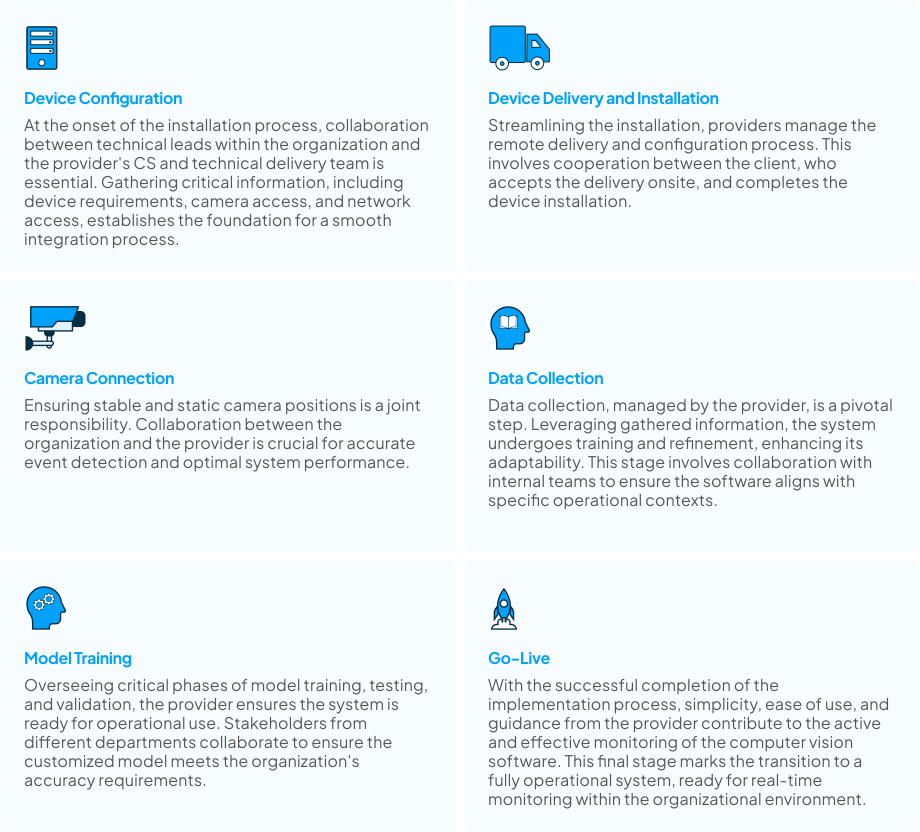
Embarking on the journey of implementing a computer vision system is a multifaceted process, requiring meticulous planning and collaboration. This section provides an overview of the typical stages involved in the installation process and the key stakeholders who contribute to the successful implementation of a computer vision system.
Installation Process
Navigating the stages of implementing a computer vision system involves a strategic and collaborative approach. Each phase is designed to ensure the system's efficiency and seamless integration within an organization's operational framework.
Camera Selection Process
Before delving into camera selection, it is crucial to understand the unique safety requirements of your facility. Whether optimizing an existing CCTV network or considering new installations, a clear understanding of safety objectives sets the foundation for the journey ahead.
The success of safety initiatives relies on choosing cameras that seamlessly integrate with computer vision software. This ensures accurate event detection and maximizes the value derived from the CV system. The overarching goal is toprovide clients with enhanced visibility and actionable insights into their safety landscapes.
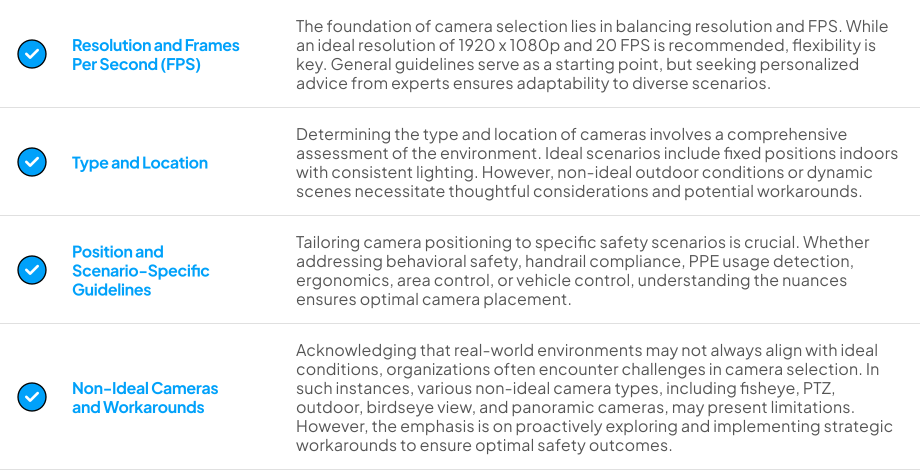
General Guidelines for Camera Selection
As organizations venture into the integration of computer vision for enhanced safety, the intersection of innovation and privacy becomes a pivotal focal point. A conscientious approach to user privacy is not merely an ethical considerationbut a fundamental principle that should guide the development and deployment of CV systems.
Conclusion
In summary, this whitepaper serves as a comprehensive guide for organizations seeking to implement computer vision for enhanced safety. It emphasizes the transformative potential of computer vision in fostering a proactive risk management culture. Key considerations, including robust security measures and a privacy-first philosophy, underscore the importance of safeguarding data and respecting privacy.The implementation process overview outlines the strategic stages, involving key stakeholders, ensuring a seamless integration within organizational frameworks. The camera selection process provides practical guidelines for aligning safety objectives with camera types and locations, optimizing the value derived from the computer vision system.Ultimately, this whitepaper offers valuable insights for organizations navigating the dynamic landscape of safety technologies. By adopting the recommendations presented, organizations can strengthen their safety measures, contributing to the development of a proactive safety culture focused on risk reduction and operational resilience.
Overview of protex ai
Protex AI pioneers computer vision solutions focused on enhancing safety in enterprise environments. By harnessing real-time data from cameras, the platform detects and analyzes safety incidents round the clock, empowering users with actionable insights to mitigate risks. Through flexible safety rule configuration and autonomous safety audits, Protex aids in preventing accidents and unsafe behavior. Partnering with prominent clients like Marks & Spencer (M&S), Berry Global, DHL & other global leaders, Protex contributes to safeguarding workers and fostering a secure workplace environment by integrating with existing CCTV systems.
.avif)
.avif)
.avif)