Your Operations,
Made Visible.
Protex AI surfaces the operational signals reports miss — before they become missed targets.





















From operational signals to actions you can prove
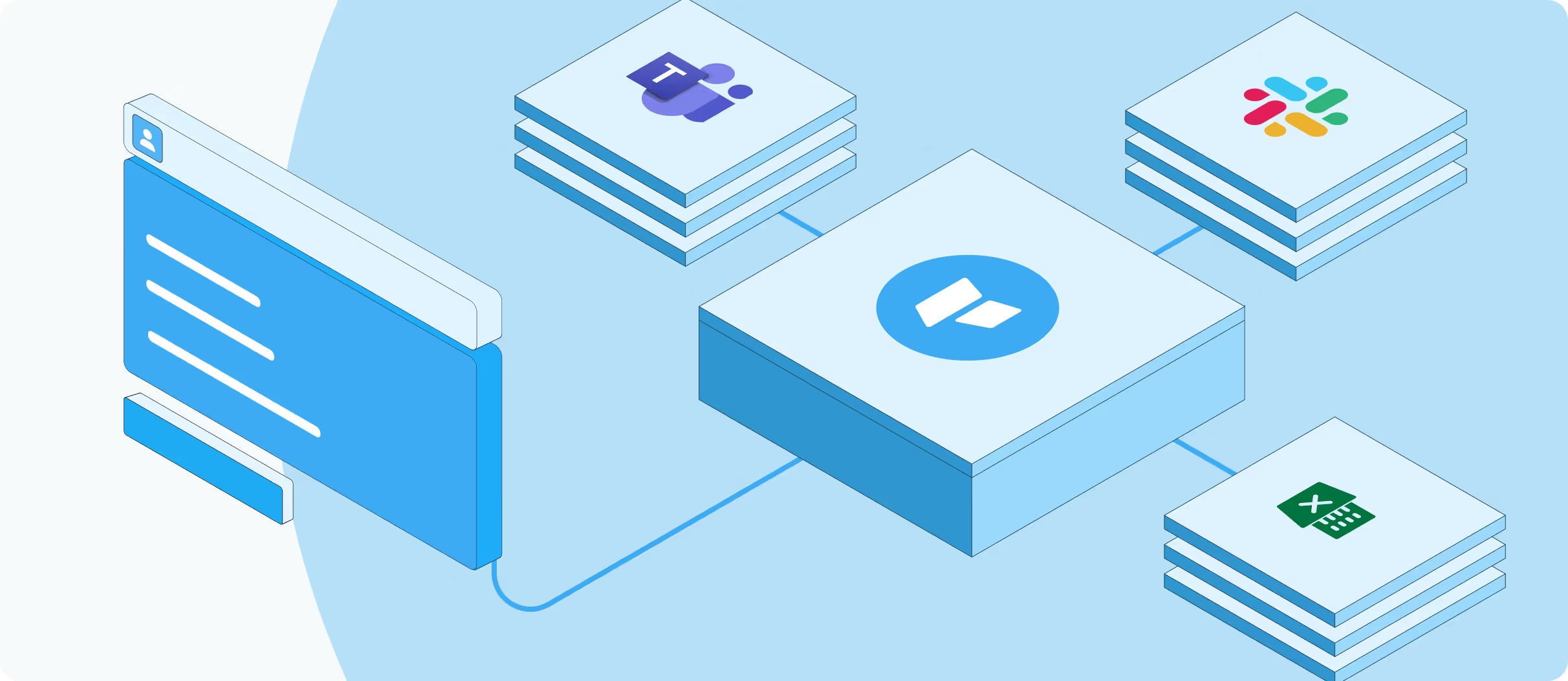
Protex AI fuses your systems with your existing cameras to show what's happening and why.
Plugs into your existing cameras
Links your existing camera infrastructure to your enterprise data
Integrates with your enterpise data
Connects to WMS, MES, TMS, EHS, CMMS and other site-level data sources your teams already use
Fuses data between the two
Cameras and enterprise systems fuse - creating a combined intelligence that neither could deliver alone
Detect what matters
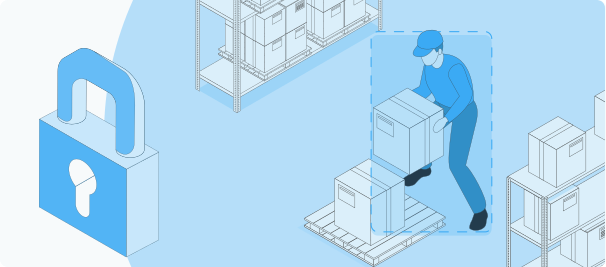
Protex detects safety and operational risks across every shift, zone and workflow on your floor
Unified view of your floor
Creates a single connected picture across people, material, vehicles, machines, zones and workflows
Automated root cause analysis
Uses patterns and correlations across your cameras and systems to explain why something is happening
AI-powered recommendations
Every recommendation is based on the specific context of your site and operation - the next step is relevant to what's happening on your floor.
Custom agentic workflows
Agents monitor the KPIs and operations that matter - running automatically, investigating and sending findings directly to the responsible teams
Continuous improvement loop
Every action is tracked and measured automatically, so your teams can see what worked, learn from it and keep improving across both operations and safety.
The site intelligence layer built for your operation.
You're already generating the data. Protex AI turns it into leading-indicator intelligence your operations leaders can act on, every shift.
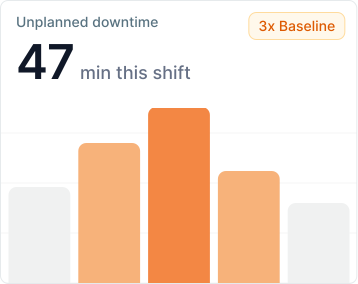
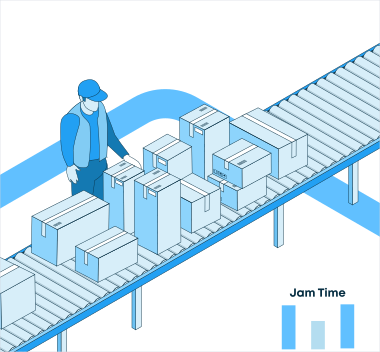
62 units per hour against a 95 target, the same dip in the same window every shift this week. That's roughly 200 units a day Bay 2 is leaving on the table.
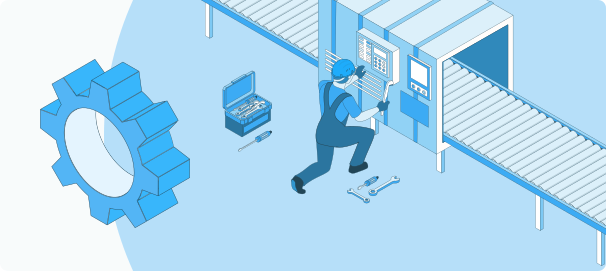
At every stoppage, the station was short on coverage when the jam hit, and the team had to wait for replacement tools that weren't in stock at the line. Two resourcing gaps, hiding inside what looked like an equipment problem.
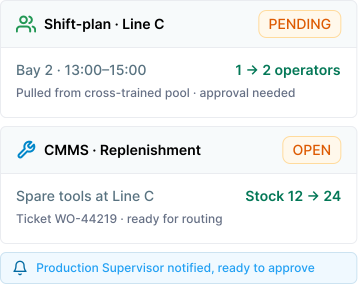
By the time the supervisor opens the alert, both recommendations are already in the right systems: the shift-plan change in the rostering tool, the tool-stock request open in the CMMS. One approval, and the next jam clears in 10 minutes, not 47.



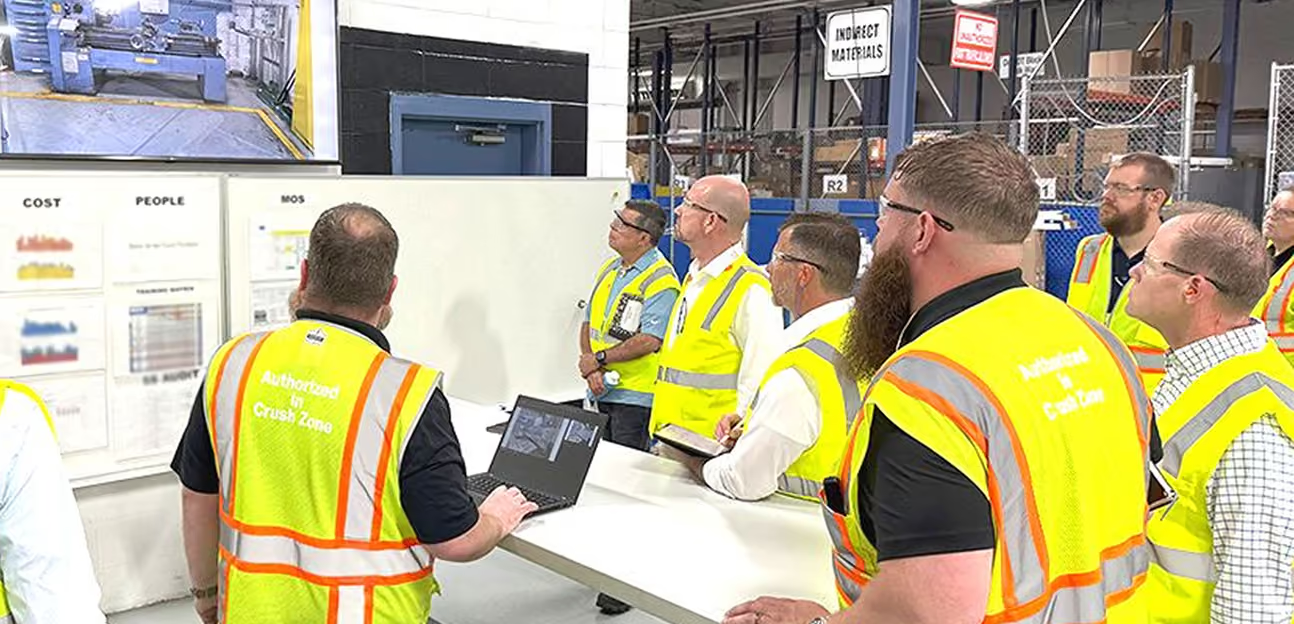

“This tool helps us send colleagues home safe every day to their families and friends.”



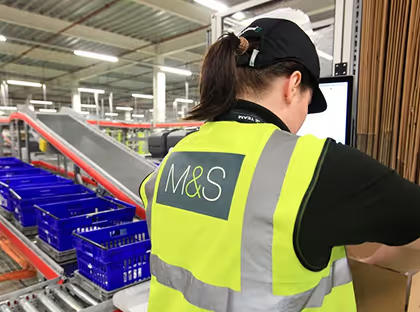





automotive manufacturer

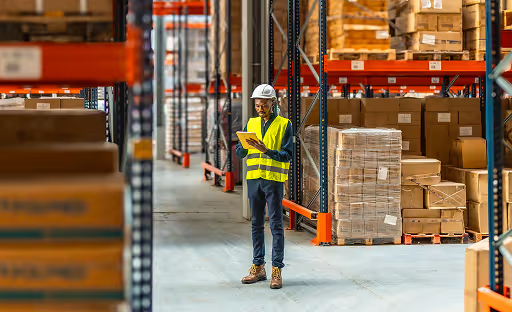
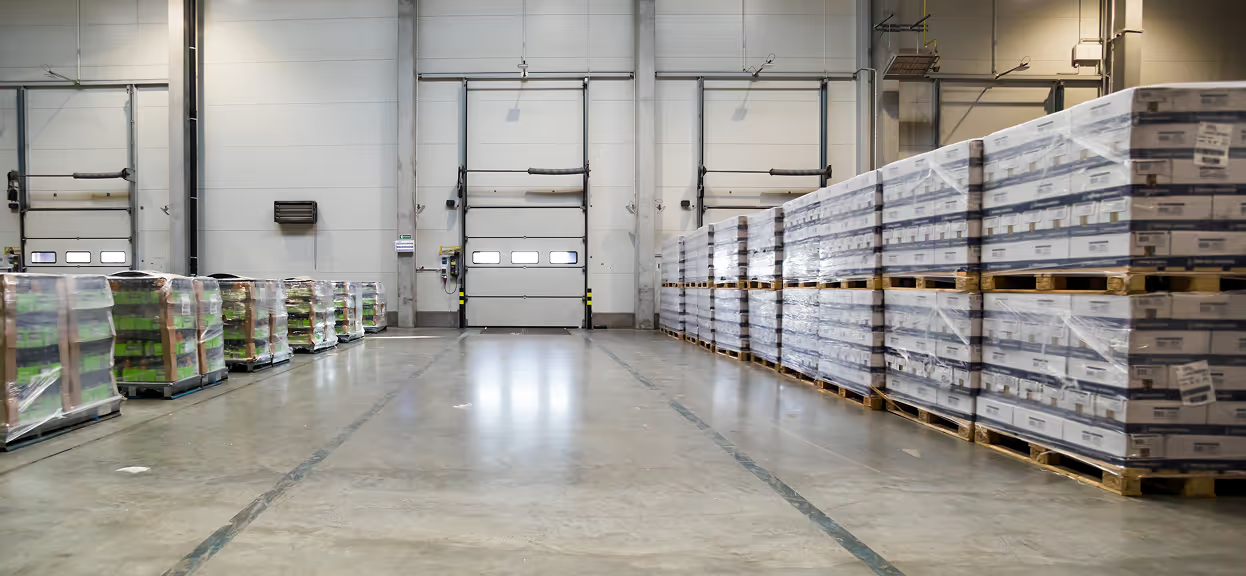

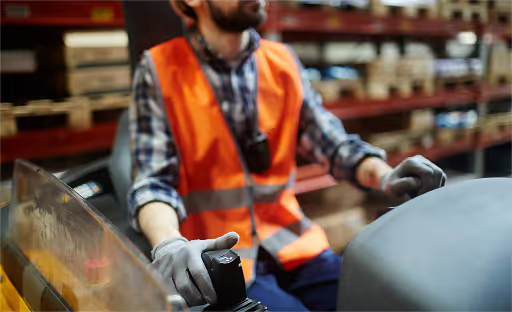

“This tool helps us send colleagues home safe every day to their families and friends.”
automotive manufacturer
Explore more operational solutions
Uncover our operational solutions designed to enhance your proactive safety measures.
Watch our 2-minute demo video
Looking to learn more about revolutionizing how you and your team make proactive safety decisions that help contribute to a safer work environment?
Our product
Explore the Protex Al enterprise-ready solution

Ask The Expert
Here are some common questions our product experts have been asked by EHS professionals around the topic of Al safety. If you have any question in particular that you need answered please don't hesitate to contact us.
Protex AI continuously analyzes activity from your existing cameras to surface the signals reports miss, such as unplanned downtime, micro-stoppages, jams, congestion, and route inefficiency. Instead of finding out at the end of the week that a line missed target, teams see the pattern as it develops and can act before it grows.
Protex AI flags the anomaly, then lets teams investigate with anonymized video from the exact moment the issue started. What looks like an equipment problem in the data often turns out to be a coverage gap, a resourcing issue, or a layout constraint. Root cause analysis takes minutes instead of weeks of manual investigation.
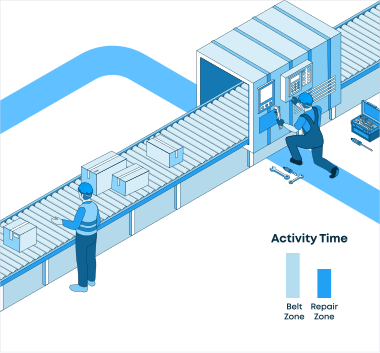
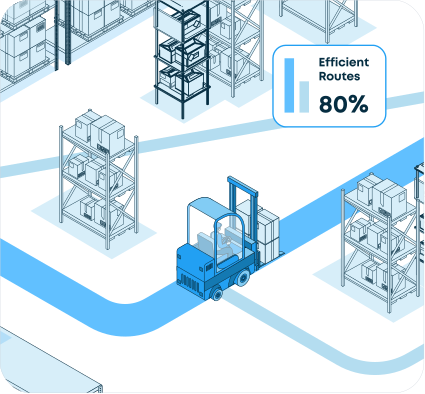
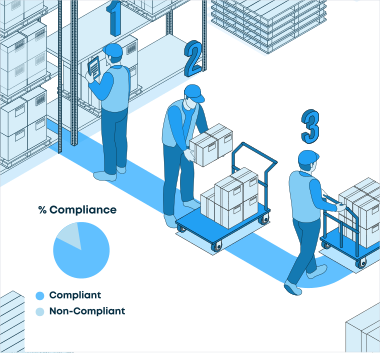
Core operational solutions include activity analysis, jam and stoppage time, process compliance, and efficient route analysis. Together they help teams understand how lines, stations, vehicles, and zones actually perform across shifts, and where downtime, congestion, or process drift is costing output.