Uncover Process Inefficiency and Reduce Downtime
Understand where time is absorbed by delays and process gaps so teams can reduce friction and design operations that better support daily work.










See Operational State Analysis In Action
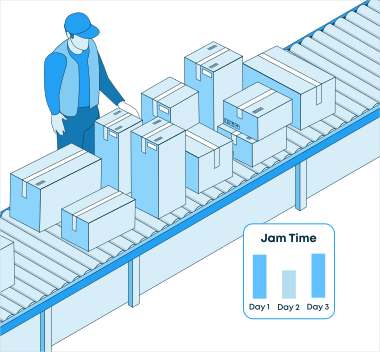
Downtime Dynamics
Explore how machine changeovers vary across time and stages. Highlight where sequences shift and handoffs break down, with video insights uncovering structural drivers behind changeover variability. Quantify where time accumulates across process stages so teams can identify friction points during normal operations
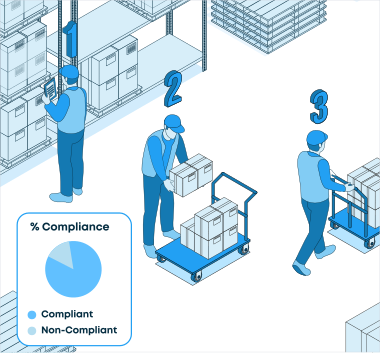
Picking Insights
Pick operations have many moving parts, and it's rarely obvious which are creating the most drag on throughput. Measuring process and stage progressions across pick zones gives teams the context to address what's actually constraining flow rather than just where the symptom shows up.
Dock Utilization
Extended trailer dwell time tends to ripple quickly across inbound and outbound KPIs in ways that aren't always visible until throughput has already taken a hit. Dock Utilization measures how long trailers occupy dock doors and tracks when loading and unloading activity stalls, surfacing bottlenecks and service delays early enough to act on them.
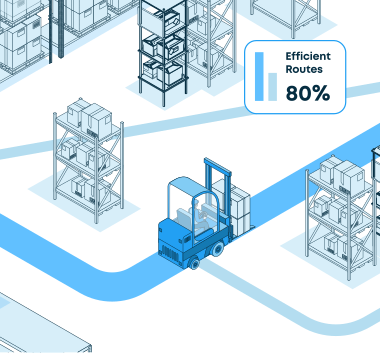
Equipment Utilization
Equipment availability and equipment utilization are not the same thing, and the gap is often larger than teams expect. Equipment Utilization measures active use versus periods of low utilization across assets like forklifts, revealing underused resources so teams can get more from what's already on the floor.
Built on Your Existing Infrastructure
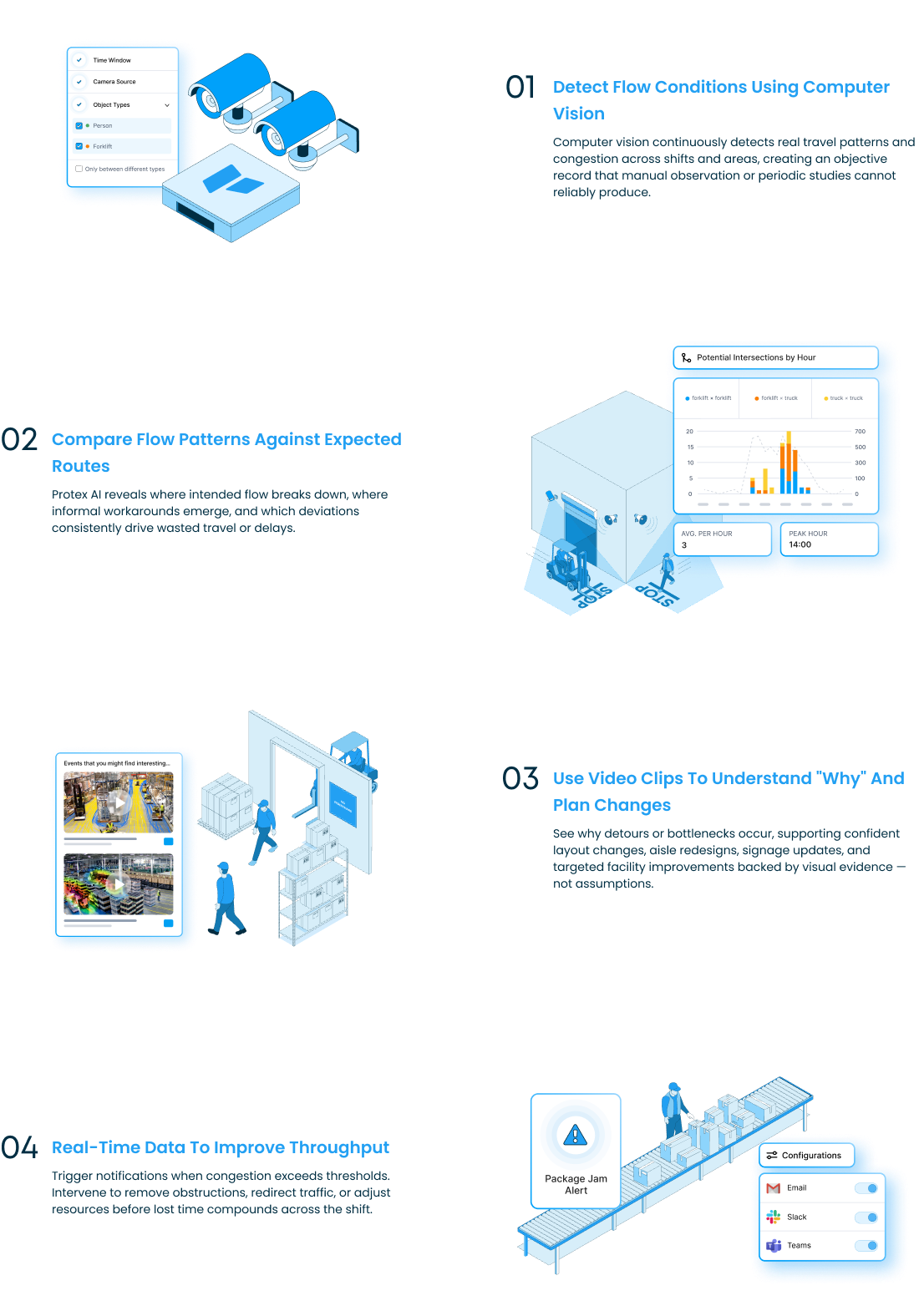
Protex AI uses computer vision and video analysis to transform existing CCTV into continuous visibility across facility movement. Operations teams gain objective insight into flow, congestion, and layout performance without relying on manual studies or one-time analysis.

Proven Impact at Scale

Explore More Operational Solutions
Uncover our operational solutions designed to enhance your proactive safety measures.
Watch Our 2-Minute Demo Video
Looking to learn more about revolutionizing how you and your team make proactive safety decisions that help contribute to a safer work environment?
Enterprise-Ready From Day One
Protex AI is built to work within your existing infrastructure - secure, scalable, and ready to integrate from day one.

CCTV Integration
Smooth integration with CCTV systems

Reporting & Workflows
User-friendly reports and dashboards for efficiency

Privacy Commitment
Non-identifiable video feed processing
Enterprise Data Processing
Secure on-premises data processing
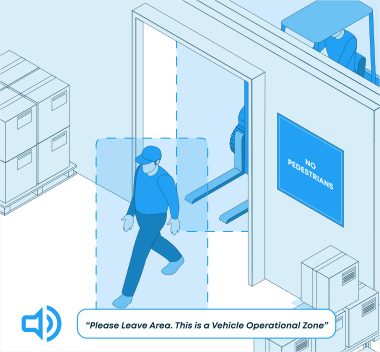
Copilot Gen-AI Tool
Unlock safety insights instantly with Protex Copilot
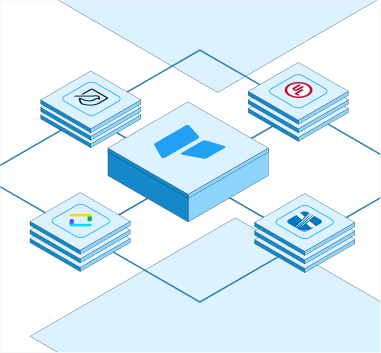
EHS Management System Integration
Seamless EHS management system integration
Ask The Expert
Here are some common questions our product experts have been asked by EHS professionals around the topic of Al safety. If you have any question in particular that you need answered please don't hesitate to contact us.
Vehicle control refers to the management and regulation of vehicle movements within a specific area, such as a worksite, warehouse, or institutional campus. This is implemented to enhance safety by minimising the risk of accidents and ensuring smooth operational flow. Protex.ai facilitates robust vehicle control through its high-tech monitoring and management systems. Here’s how vehicle control positively impacts safety:
Traffic Management: By monitoring and controlling the direction and speed of vehicles, the system helps prevent collisions and reduce traffic-related incidents. It ensures vehicles follow predefined routes and adhere to site-specific speed limits.
Access Control: The system can restrict vehicle access to sensitive or hazardous areas, ensuring that only authorised vehicles can enter predetermined zones. This is crucial in industrial settings where certain areas pose unique risks.
Real-Time Monitoring: With constant monitoring, any unauthorised or suspicious vehicle activities are quickly detected and addressed, enhancing the overall security of the site.
Automated Alerts: The system can automatically alert operators or security personnel about any breaches of vehicle control measures, allowing for quick responses to potential safety issues.
Overall, vehicle control is a critical component of site safety, reducing the potential for vehicular accidents and enhancing operational efficiency. The use of advanced monitoring technologies in Protex.ai ensures that vehicle control is both effective and adaptable to the needs of various environments.
Vehicle control refers to the management and regulation of vehicle movements within a specific area, such as a worksite, warehouse, or institutional campus. This is implemented to enhance safety by minimising the risk of accidents and ensuring smooth operational flow. Protex.ai facilitates robust vehicle control through its high-tech monitoring and management systems. Here’s how vehicle control positively impacts safety:
Traffic Management: By monitoring and controlling the direction and speed of vehicles, the system helps prevent collisions and reduce traffic-related incidents. It ensures vehicles follow predefined routes and adhere to site-specific speed limits.
Access Control: The system can restrict vehicle access to sensitive or hazardous areas, ensuring that only authorised vehicles can enter predetermined zones. This is crucial in industrial settings where certain areas pose unique risks.
Real-Time Monitoring: With constant monitoring, any unauthorised or suspicious vehicle activities are quickly detected and addressed, enhancing the overall security of the site.
Automated Alerts: The system can automatically alert operators or security personnel about any breaches of vehicle control measures, allowing for quick responses to potential safety issues.
Overall, vehicle control is a critical component of site safety, reducing the potential for vehicular accidents and enhancing operational efficiency. The use of advanced monitoring technologies in Protex.ai ensures that vehicle control is both effective and adaptable to the needs of various environments.
Vehicle control refers to the management and regulation of vehicle movements within a specific area, such as a worksite, warehouse, or institutional campus. This is implemented to enhance safety by minimising the risk of accidents and ensuring smooth operational flow. Protex.ai facilitates robust vehicle control through its high-tech monitoring and management systems. Here’s how vehicle control positively impacts safety:
Traffic Management: By monitoring and controlling the direction and speed of vehicles, the system helps prevent collisions and reduce traffic-related incidents. It ensures vehicles follow predefined routes and adhere to site-specific speed limits.
Access Control: The system can restrict vehicle access to sensitive or hazardous areas, ensuring that only authorised vehicles can enter predetermined zones. This is crucial in industrial settings where certain areas pose unique risks.
Real-Time Monitoring: With constant monitoring, any unauthorised or suspicious vehicle activities are quickly detected and addressed, enhancing the overall security of the site.
Automated Alerts: The system can automatically alert operators or security personnel about any breaches of vehicle control measures, allowing for quick responses to potential safety issues.
Overall, vehicle control is a critical component of site safety, reducing the potential for vehicular accidents and enhancing operational efficiency. The use of advanced monitoring technologies in Protex.ai ensures that vehicle control is both effective and adaptable to the needs of various environments.